
This The Course Compass guide looks at coding bootcamp through practical planning choices instead of vague inspiration.
By Brian Avery, Platform Navigator and Value Analyst
The digital world is constantly evolving, and with it, the demand for skilled developers continues to surge. Many individuals are recognizing that a traditional computer science degree isn’t always the most direct path to a fulfilling and well-compensated career in tech. This has fueled a massive boom in online coding bootcamps - intensive, accelerated programs designed to equip you with the practical skills needed to land a job as a software developer, web developer, data scientist, or cybersecurity specialist. But with dozens of options available, choosing the right bootcamp can feel overwhelming. That’s where I come in. As a Platform Navigator and Value Analyst, my goal is to cut through the marketing hype and provide you with a clear, data-driven understanding of what to look for. Let’s break down everything you need to know about online coding bootcamps, from the core curriculum to the hidden costs and long-term success rates.
What Exactly *Is* a Coding Bootcamp?
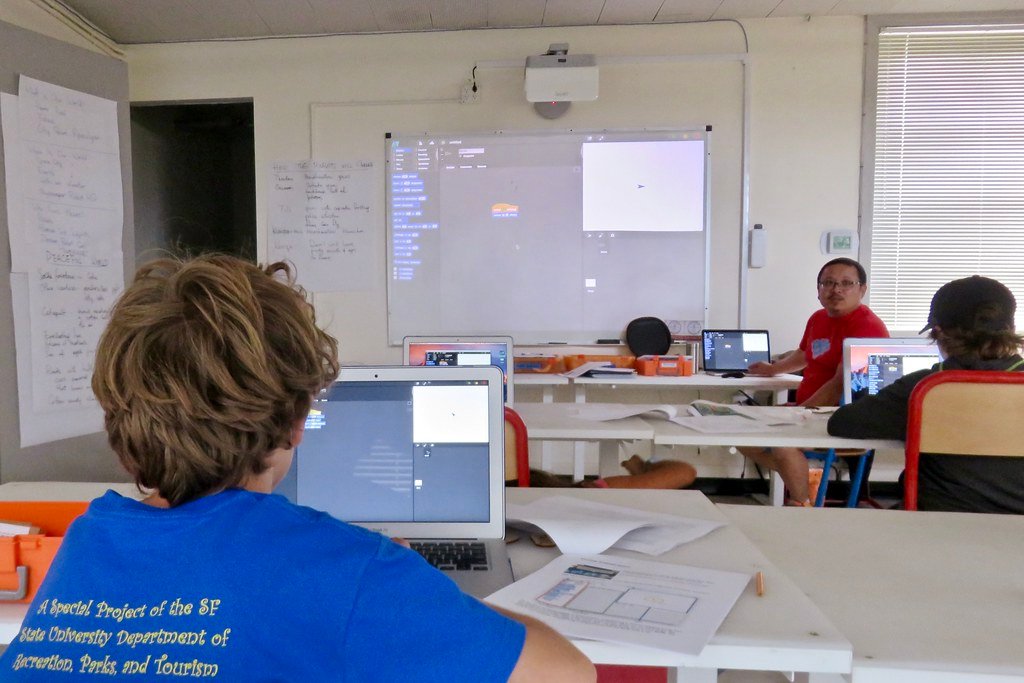
At its core, a coding bootcamp is a concentrated, immersive learning experience. Unlike a university degree, which typically covers a broad range of theoretical concepts, bootcamps focus almost exclusively on practical skills - the tools and technologies you’ll actually use on the job. They’re designed to get you job-ready in a matter of weeks or months. You’ll likely spend your time working on real-world projects, collaborating with your peers, and receiving personalized feedback from instructors. The intensity is high, demanding a significant time commitment and a willingness to learn quickly. Think of it like a very focused, accelerated apprenticeship.
Popular Technologies & Specializations
The specific technologies taught vary from bootcamp to bootcamp, but some consistently appear as core components. Here’s a breakdown of the most popular specializations and the technologies you’ll typically encounter:
- Web Development: HTML, CSS, JavaScript, React, Angular, Node.js
- Data Science: Python, R, SQL, Machine Learning Algorithms, Data Visualization
- Full-Stack Development: A combination of front-end (JavaScript, React) and back-end (Node.js, Python) technologies.
- Mobile Development: Swift (iOS), Kotlin (Android), React Native
- Cybersecurity: Networking fundamentals, Linux, scripting languages (Python, Bash), security tools
It’s crucial to research which technologies align with your career goals. Don’t just pick a bootcamp because it’s popular; choose one that focuses on the skills you’re genuinely interested in and that are in demand in your target market.
Key Factors to Consider When Choosing a Bootcamp
Okay, let’s get into the specifics. Here’s a breakdown of the critical factors to evaluate when comparing different online coding bootcamps:
1. Curriculum & Pedagogy
The curriculum is the heart of any bootcamp. Look for a program that covers a comprehensive range of essential skills and utilizes a hands-on, project-based learning approach. Avoid bootcamps that simply regurgitate information from online tutorials. A good bootcamp will guide you through the entire development process, from design to deployment. Consider the depth of coverage - does it simply scratch the surface of a technology, or does it provide a solid foundation?
2. Instructor Experience & Support
The quality of your instructors is paramount. Ideally, they should have real-world industry experience and be passionate about teaching. Look for bootcamps that offer personalized mentorship and regular office hours. A supportive learning environment can make all the difference, especially when you’re facing challenging concepts. Don’t hesitate to ask about the instructors’ backgrounds and their approach to teaching. A quick LinkedIn search can often reveal valuable insights.
3. Career Services & Job Placement
Bootcamps often boast impressive job placement rates, but it’s important to dig deeper than the headline numbers. What specific services do they offer to help you find a job? Do they provide resume workshops, mock interviews, networking opportunities, or connections with hiring companies? A strong career services team can significantly increase your chances of landing your first job. Ask for specific data on their job placement rates - not just the percentage of graduates who started a job, but the percentage who secured a job within a certain timeframe (e.g., 90 days) and in their desired role.
4. Cost & Financing
Coding bootcamps can be a significant investment, typically ranging from $10,000 to $25,000. Be aware of all the associated costs, including tuition, textbooks, software licenses, and potentially living expenses if the bootcamp requires you to relocate. Explore financing options, such as loans or scholarships. Many bootcamps offer payment plans to make the cost more manageable. Don’t be afraid to negotiate - some bootcamps are willing to offer discounts, especially if you’re a veteran or a student.
5. Accreditation & Reputation
While not always essential, accreditation from recognized organizations can provide an extra layer of assurance. Look for bootcamps that are affiliated with reputable educational institutions or industry associations. Also, research the bootcamp’s reputation online - read reviews from former students and check for any complaints or negative feedback. Sites like Course Report and SwitchUp provide valuable reviews and comparisons of different bootcamps.
Beyond the Bootcamp: Building Your Career
Completing a coding bootcamp is just the first step. Building a successful career in tech requires ongoing learning and networking. Continue to hone your skills through personal projects, online courses, and industry events. Build a strong online portfolio to showcase your work. Network with other developers and recruiters. Don't underestimate the value of contributing to open-source projects - it’s a fantastic way to gain experience and demonstrate your skills.
Hidden Costs & Potential Pitfalls
Let’s be realistic. While bootcamps promise a fast track to a tech career, there are potential pitfalls to be aware of. Some bootcamps overpromise and underdeliver. Be wary of programs that make unrealistic guarantees about job placement. Also, consider the time commitment - you’ll need to dedicate a significant amount of time and energy to succeed. Finally, remember that a bootcamp alone isn’t a magic bullet. You’ll still need to put in the work to develop your skills and build your network. My advice? Approach the decision with a healthy dose of skepticism and do your homework.
I hope this comprehensive guide has provided you with a clearer understanding of the online coding bootcamp landscape. If you have any specific questions or would like me to delve deeper into a particular aspect, please don’t hesitate to reach out. My goal is to help you make an informed decision and set you on the path to a rewarding career in tech.
Keep This Practical
If this topic feels broad, narrow it to one learning goal you can act on this month. Clarity around the outcome will usually sharpen the rest of the path.
Tools Worth A Look
These picks are most relevant if you want resources that support clearer learning paths, stronger study habits, or better skill application.
- Meaningful Online Learning: Integrating Strategies, Activities, and Learning Technologies for Effective DesignsTeaching, Engaging, and Thriving in Higher EdSWS Online EducationAI in Education SeriesDesigning and Delivering Effective Online Instruction: How to Engage Adult Learners
Some of the links on this page are Amazon affiliate links, which means I may earn a small commission if you make a purchase through them. As an Amazon Associate, I earn from qualifying purchases.
Related ReadingMore from The Course Compass

Level Up Your Skills: Online Career Paths
Feeling lost in online career courses? The Course Compass guides you to the right online learning path for your goals. Explore digital marketing, data analyt...

Skills Training: Avoiding the Pitfalls
The Future of Skills Training: Avoiding the Critical Mistakes Hello, and welcome back to The Course Compass. I’m Brian Avery, and as a Platform Navigator.
Skills Training: Navigating the Next Wave
The Future of Skills Training: A Guide for Adult Learners Hey everyone, Melissa Nolan here from The Course Compass! It’s May 2026, and the world of learning...